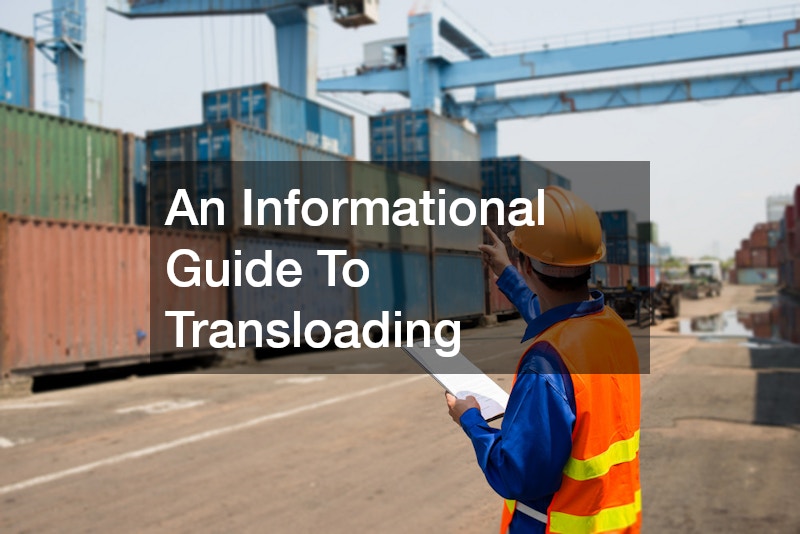
Transloading is a critical component of the logistics and supply chain industry, offering unique advantages in the handling and transportation of freight. In today’s global economy, the ability to move goods efficiently and cost-effectively is essential, and transloading provides a solution to many logistical challenges. This guide explores the concept of transloading, its benefits, the process involved, and its future prospects.
Understanding Transloading
Transloading is the process of transferring a shipment from one mode of transportation to another. This method is used to enhance the efficiency of the supply chain by enabling the seamless exchange between transport modes, like from truck to rail or rail to ship.
By utilizing transloading, companies can optimize their distribution networks and reduce transportation costs. It plays a crucial role in multimodal transport, facilitating the transfer of goods between various carriers. Transloading allows for the strategic redistribution of freight to different destinations more effectively.
The ability to transload freight aids companies in meeting demand fluctuations without overburdening any one mode of transport. It allows for greater flexibility in logistics planning, helping companies overcome geographical constraints and improve delivery times. By breaking down large shipments into smaller, more manageable loads, transloading helps address warehousing constraints. This process can also help mitigate risks associated with transport delays and reroutes. With the integration of advanced technologies, transloading has become an integral part of efficient freight management.
Transloading is not just a matter of moving goods; it involves detailed coordination and collaboration across logistics providers. This helps in maintaining the integrity and quality of the cargo being transferred. A robust transloading operation requires significant investment in infrastructure, including warehouses, material handling equipment, and technology systems. Businesses that can master transloading stand to gain significant competitive advantages in the logistics landscape. Furthermore, transloading supports supply chain sustainability by optimizing route efficiency and reducing carbon emissions.
Benefits of Transloading
The transloading process offers numerous benefits to shippers and logistical companies, the most notable being cost savings. By enabling the consolidation of shipments, companies can reduce expenses associated with transportation and handling. This helps businesses maximise their supply chain efficiency by eliminating unnecessary shipping steps. Furthermore, transloading reduces the need for long-term storage solutions, thereby cutting costs associated with warehousing. These savings can then be passed on to customers, enhancing their overall satisfaction and loyalty.
Transloading also provides the ability to access different markets that were previously out of reach. By facilitating the movement of goods across multiple modes of transport, companies can reach areas with limited access to a single mode, such as only rail or only truck services. This opens new avenues for business expansion and increases market penetration. Companies can react more swiftly to dynamic market demands, tapping into new opportunities at a moment’s notice. This agility is crucial in maintaining a competitive edge in the modern business environment.
Additionally, transloading promotes operational flexibility, a vital attribute in the face of unforeseen disruptions. Whether dealing with weather-related delays or port congestions, the ability to transload freight ensures that shipments can be rerouted efficiently. This flexibility also extends to meeting customer requirements for special handling or specific delivery timelines. With the increased resilience that transloading offers, companies are better prepared to tackle logistical challenges head-on. Ultimately, this adaptability translates into better service reliability and customer satisfaction.
The Transloading Process
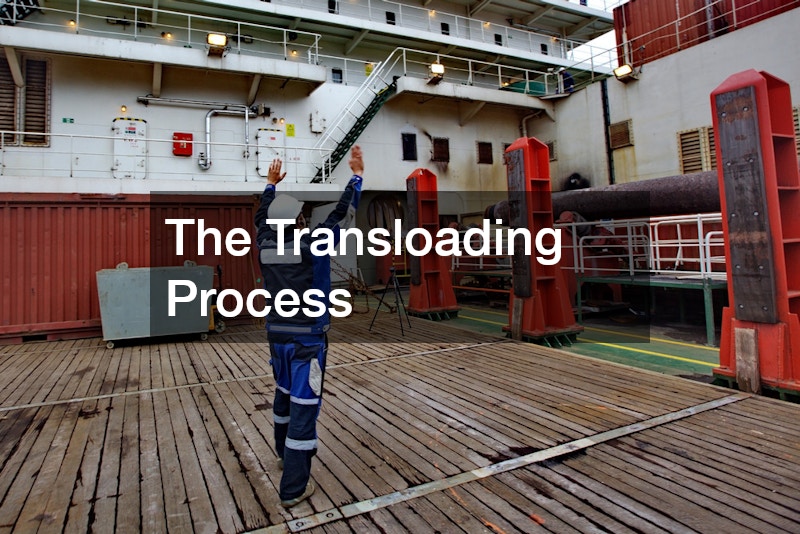
The transloading process begins with the coordination of logistics and scheduling, where goods are prepared for transfer from the initial mode of transport. Once at the transloading facility, shipments are unloaded and sorted based on their destination and mode of onward transport. Various equipment and technologies are utilized to ensure efficient handling and minimal disruption to the cargo. The role of skilled personnel is crucial here, as they oversee operations to maintain the integrity and safety of the shipments. These facilities are often strategically located close to key transport corridors, enabling seamless transitions between different transport modes.
During the transloading phase, freight is temporarily stored at the facility before being loaded onto its next mode of transport. This intermediary step allows for the reconfiguration of shipments, which is particularly beneficial for freight that requires consolidation or deconsolidation. With the use of advanced tracking systems, each shipment’s status and location are continuously monitored to prevent any lapses in the supply chain. Communication among all parties involved is essential to ensuring that operations run smoothly and efficiently. This precision and attention to detail allow businesses to optimize their supply chain and maintain high service levels.
Following the transfer process, the cargo continues its journey to the end destination, or to another transloading point if needed. Continuous optimization and refinements in the transloading process are critical for companies aiming to enhance their distribution efficiency. As this practice evolves, it is expected that even more sophisticated technologies will be integrated to further streamline operations. Embracing these advancements will be key to maximizing the potential benefits of transloading. The interplay between technology and logistics expertise will continue to shape the future of transloading in the freight industry.