Every commercial property is a financial engine driven by two main levers: Net Operating Income and long-term asset value. For landlords, property managers, and commercial real estate investors, managing a physical asset goes far beyond simply collecting rent checks and scheduling occasional maintenance. The physical state of your property directly dictates your capability to command premium lease rates, secure creditworthy triple-net tenants, and maximize your capitalization rate during an eventual exit or refinancing window.
When investors view physical upgrades merely as tedious overhead costs or annoying capital expenditures, they miss the broader wealth-creation picture. Smart property investments function as calculated plays for forced appreciation. By systematically identifying and executing high-impact property enhancements, you insulate your asset against market downturns, drastically reduce long-term vacancy risks, and lower your operational overhead.
The key to a successful commercial upgrade strategy lies in prioritization. This comprehensive guide walks through the essential physical renovations that deliver the highest measurable returns on investment. From fortifying structural envelopes to optimizing backend operations, these ten pillars of commercial improvement will help turn your property into a high-performing, premium asset.
Expanding on this valuation dynamic requires looking at how institutional buyers and savvy appraisers calculate the risk profile of an asset. A commercial property with a long list of deferred maintenance projects is automatically penalized with a higher capitalization rate, which directly slashes its market value. Conversely, an asset that demonstrates meticulous physical upkeeping and forward-thinking structural investments commands a premium compression in its cap rate. This means that every dollar you prudently deploy into your facility’s physical infrastructure doesn’t just fix a temporary problem—it acts as a compounding wealth generator by structurally lowering investor risk.
Furthermore, the modern commercial leasing market has shifted heavily toward a flight to quality. Premium corporate tenants, thriving retail brands, and high-growth logistics providers are no longer willing to tolerate subpar facilities that disrupt their daily business operations or tarnish their brand reputation. They want to move into institutional-grade spaces where the infrastructure works flawlessly, the perimeter is entirely secure, and the management is demonstrably proactive. By elevating your capital improvement standards, you effectively position your property at the top tier of your local submarket, allowing you to filter for the most stable, well-capitalized, and long-term tenants available. The following detailed breakdown offers the tactical roadmap required to transition any commercial property from a standard cash-flow vehicle into a bulletproof, premium asset engineered for long-term growth.
1. Engineering a Flawless Entryway and Traffic Flow
The physical entrance to your commercial facility serves as the initial handshake with clients, customers, and prospective high-value tenants. Neglected paths, deep potholes, and severe cracks do more than just ruin your visual aesthetic; they pose massive liability concerns and signal to the market that the property is poorly managed. If customers have to navigate an obstacle course of damaged concrete or disintegrating asphalt just to park their vehicles, their consumer experience is compromised before they even open your front doors.
Upgrading these high-traffic transit areas improves the overall flow of business while preventing costly slip-and-fall litigation. When addressing widespread deterioration, structural sealing, or base failures, partnering with a licensed and insured pavement company is an absolute necessity. These professionals ensure that all pedestrian paths, entry ramps, and transition zones comply with modern building accessibility mandates, ensuring smooth access for all individuals and protecting your business from costly compliance fines.
2. Elevating Navigational Branding and Visual Authority
Wayfinding and corporate visibility represent an often overlooked element of commercial valuation. Properties that feature clear, modern, and highly visible directories can command premium rental rates because they offer built-in marketing value to retail and office tenants alike. If a building is hidden behind overgrown landscaping or relies on faded, dated directories from previous decades, its market viability plummets.
Investing in crisp signage updates modernizes a commercial plaza or corporate business park overnight. Coordinating your physical rebranding with experienced sign companies allows you to install cohesive exterior pylons, energy-efficient LED storefront displays, and highly visible internal building directories. This structural branding enhances the tenant experience and increases the property’s overall prominence within the local submarket.
3. Scaling Asset Value From the Top Down
A commercial building’s roof is its primary line of defense against environmental depreciation, yet it is often ignored until a major disaster occurs. Roof lifespans are heavily scrutinized during property appraisals and buyer due diligence phases, meaning an aging system directly penalizes your asset value. Furthermore, active leaks can destroy interior inventory, cause severe electrical damage, and disrupt daily business operations for your tenants.
Addressing roof vulnerabilities early is one of the smartest cash-flow decisions a landlord can make. Hiring a certified roofing company to perform annual cleanings, minor patch work, and joint sealings prevents minor issues from spiraling into catastrophic building-wide insurance claims. Furthermore, modern reflective roof coatings can drastically cut heating and cooling bills, an attractive selling point that you can leverage to command premium lease terms from cost-conscious commercial tenants.
4. Implementing Long-Term Industrial Roof Management
For expansive industrial warehouses, distribution centers, and large-format retail spaces, minor patchwork is rarely enough to protect the underlying asset. These massive square-foot structures require long-term roof asset management programs that account for heavy HVAC equipment weight, complex drainage systems, and extreme weather exposures. Neglecting these large surfaces compromises the entire building envelope and threatens the structural integrity of the facility.
For large-scale structural oversight, retaining a dedicated commercial roofing company ensures that your capital investments are protected through advanced preventative maintenance. These commercial specialists utilize specialized drone technology and thermal imaging scans to detect moisture trapped beneath the roof membrane long before a visible leak shows up inside. Catching these hidden weak points early lets you execute targeted restorations rather than facing full, multi-million dollar structural replacements.
5. Securing the Perimeter to Attract Premium Tenants
High-value tenants in sectors like third-party logistics, data centers, medical tech, and luxury retail rank physical security as a non-negotiable property requirement. A commercial site that lacks defined boundaries or proper access controls is a prime target for vandalism, illegal dumping, and cargo theft. Security vulnerabilities drive away premium tenants and lead to soaring commercial property insurance premiums.
Installing robust perimeter security dramatically enhances the leasability of any industrial or commercial property. Working with commercial fence companies allows landlords to install heavy-duty security barriers, automated gate access systems, and durable perimeter fencing that blends seamlessly with the property’s architectural style. This physical upgrade deters criminal activity while giving your tenants the peace of mind they need to operate around the clock.
6. Expanding On-Site Storage Capacity Efficiency
Commercial landlords are constantly looking for creative ways to monetize underutilized land on their properties. Maximizing the revenue generated per square foot is the easiest way to increase net operating income without undertaking massive, multi-year building expansions. Leftover spaces behind buildings or vacant gravel lots are frequently wasted assets that yield zero financial returns.
You can easily transform these dead zones into profitable, auxiliary storage spaces for your tenants’ inventory or equipment overflows. Purchasing heavy-duty, weather-resistant structures from a reputable commercial shed company lets you offer secure on-site storage add-ons to your existing lease agreements. This simple strategy builds a predictable secondary revenue stream for your business while resolving storage bottlenecks for your tenants.
7. Designing Heavy-Duty Zones for Fleet and Logistics Access
Industrial parks and retail fulfillment centers see constant traffic from heavy box trucks, delivery vans, and heavy logistics vehicles. Standard driveway paving is completely inadequate for these high-stress zones, as the massive axle weights will quickly warp, crack, and collapse weak asphalt surfaces. When sub-base layers fail under heavy loads, it creates deep rutting that slows down operations and threatens vehicle safety.
To prevent these costly infrastructure failures, staging areas and loading docks must be engineered precisely to handle industrial traffic profiles. Recruiting an experienced parking lot paving company ensures that your heavy-traffic lanes are built with the proper aggregate depth and asphalt grade. Investing in a properly reinforced foundation prevents structural buckling, ensures smooth shipping operations, and eliminates the need for expensive emergency pavement repairs down the road.
8. Creating Sustainable and Compliant Waste Systems
Properties that house restaurants, corporate cafeterias, food processing hubs, or chemical labs face unique backend infrastructure challenges. Managing liquid waste, cooking grease, and industrial byproducts requires strict operational discipline to prevent environmental contamination and expensive city utility fines. If waste management systems are neglected, foul odors, clogged plumbing, and backup disasters can quickly drive away your tenants.
Maintaining seamless grease traps and waste diversion lines is essential for keeping a commercial facility functional and legally compliant. Landlords should mandate or provide structured cleanout programs by partnering with an eco-certified grease recycling company. Routinely clearing out cooking oils and organic waste keeps your internal plumbing clear, eliminates unpleasant odors around the property, and ensures your facility passes municipal environmental health inspections with flying colors.
9. Mitigating Environmental Risks and Rapid Disaster Recovery
Natural disasters, severe weather, broken water mains, and internal plumbing failures represent constant threats to commercial real estate investments. Water is incredibly destructive; within just a few hours, a hidden pipe burst can ruin flooring, destroy expensive electronic systems, and trigger rapid mold growth. Every single day your property is closed for repairs translates directly to lost tenant revenue and potential lease defaults.
Building a resilient disaster recovery workflow is the best way to safeguard your property from long-term vacancy losses. Commercial landlords should establish emergency service agreements with professional water damage companies to guarantee immediate 24/7 priority response times. Having a trusted restoration team ready to handle rapid water extraction and structural drying protects your building envelope, preserves air quality, and allows your tenants to resume normal business operations as quickly as possible.
10. Managing Seamless Commercial Turnovers and Relocations
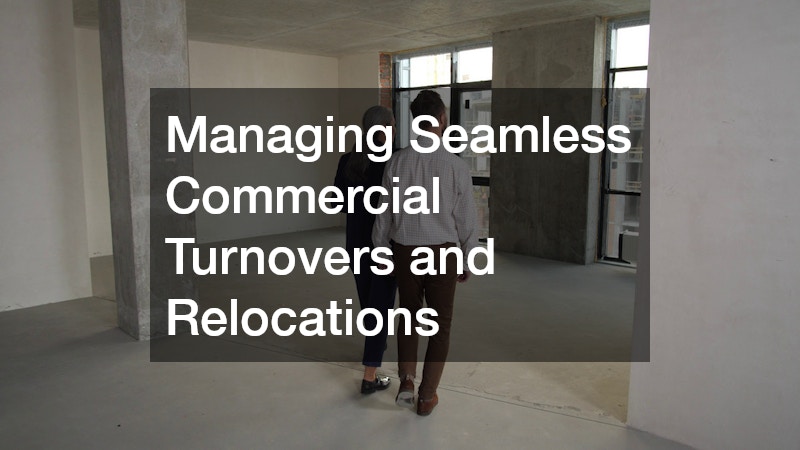
The period between a tenant vacating a space and a new business moving in is a critical window for commercial landlords. Every day a commercial unit sits empty during a transition is a day of lost cash flow that can never be recovered. Delays during the move-out, clean-up, and build-out phases stall your momentum and push back the start date for your new tenant’s rent payments.
Streamlining this transition phase requires tight logistical planning and clear communication between all parties. Recommending or coordinating with a highly efficient commercial moving company helps speed up the relocation process for incoming and outgoing tenants alike. Getting old equipment out and new infrastructure in quickly allows your contractors to complete necessary modifications ahead of schedule, reducing your vacancy gap and getting your new revenue stream flowing faster.
Maximizing the value of a commercial property requires a proactive mindset that connects physical improvements directly to financial returns. By treating capital expenditures as targeted investments rather than standard operational expenses, you can systematically increase your net operating income and accelerate forced asset appreciation. Whether you are upgrading your exterior entryways, reinforcing the building’s roof, or refining backend logistics, every enhancement makes your property more competitive in the marketplace.
Take a look at your commercial assets today and identify which areas are holding back your property’s earning potential. Prioritize the projects that offer the fastest returns on investment, protect your structural integrity, and improve the daily experiences of your tenants. Developing a proactive, rolling five-year capital improvement plan allows you to protect your wealth, attract premium tenants, and secure top-of-market returns when it comes time to exit or refinance.
Ultimately, the distinction between an average commercial landlord and a highly successful real estate investor comes down to how they approach physical asset management. Average operators react only when something breaks, burning through their cash reserves on emergency repairs and dealing with frustrated tenants who are ready to look for a better space when their lease expires. Exceptional investors operate with foresight, executing a rolling capital expenditure model that actively prevents asset decay while consistently driving up the building’s net operating income year after year.
As you move forward, remember that your property’s physical integrity is the foundation of its entire financial performance. Do not wait for a major structural failure or an unexpected tenant vacancy to prompt you into taking action. Conduct a thorough, top-to-bottom physical audit of your commercial properties today, looking specifically for operational bottlenecks, hidden liabilities, and underutilized areas that could be working harder for your bottom line. Partner with reliable, licensed, and specialized commercial vendors who understand the unique demands of corporate real estate and can execute upgrades with minimal disruption to your daily business. By taking control of your physical asset management today, you build a resilient, highly competitive, and deeply profitable commercial real estate portfolio that will continue to deliver superior returns for decades to come.