Growing a preschool or childcare business can create exciting opportunities, but expansion also brings new operational demands. More children may mean additional classrooms, increased staffing needs, greater facility use, and more administrative work. Without thoughtful planning, these changes can place pressure on systems that worked well when the business was smaller.
Sustainable growth requires looking beyond enrollment numbers. Owners and administrators need to consider how facilities, safety procedures, technology, resources, and family support systems will adapt as the organization grows. Taking action before problems become disruptive can make expansion easier to manage and give staff the resources they need to maintain quality care.
Whether a childcare business is preparing for its first major expansion or simply accommodating gradual enrollment increases, practical planning can make a significant difference. The following strategies can help owners identify areas for improvement and create a stronger foundation for continued growth.
Strengthen Outdoor Areas Before Increasing Enrollment
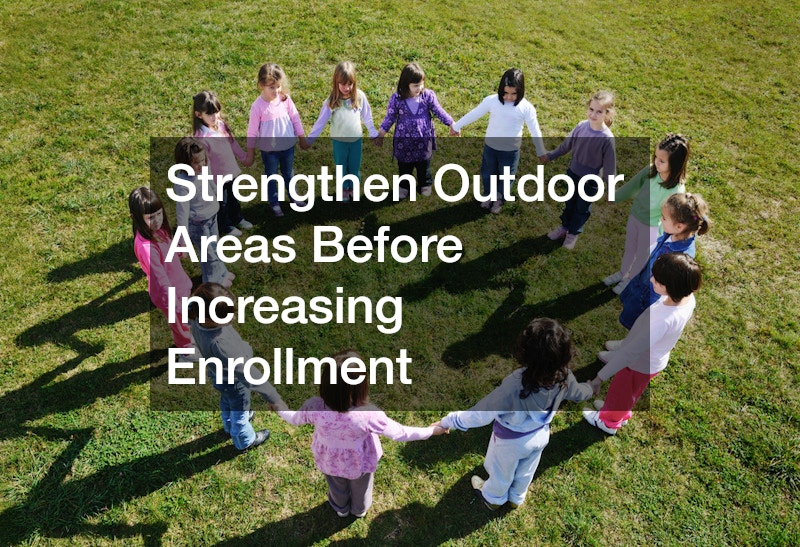
Outdoor play areas can become increasingly important as a preschool accommodates more children. Larger enrollment may require more structured outdoor activities, additional play periods, or greater use of existing playgrounds. Keeping these areas comfortable and functional should therefore be part of the facility’s growth strategy.
Mosquitoes can interfere with outdoor activities, particularly when environmental conditions support their presence. A professional mosquito control approach can help childcare operators address concerns while allowing staff to focus on supervising children and maintaining planned activities.
Administrators can incorporate outdoor-area management into regular facility reviews by:
- Inspecting playground areas for standing water after rain.
- Reviewing landscaping for areas that may contribute to mosquito activity.
- Establishing procedures for reporting pest concerns.
- Scheduling appropriate professional services based on facility conditions.
- Communicating outdoor-area procedures clearly to staff.
Childcare operators should also consider how outdoor spaces will be used as enrollment changes. More children may require better scheduling, additional equipment, or adjustments to activity areas. Addressing these considerations early can help the preschool continue offering outdoor activities without placing unnecessary strain on staff or facilities.
Match Your Location and Programs to Family Demand
Growth decisions should reflect the families a childcare business actually serves. Location, transportation options, nearby employers, housing development, and family schedules can all influence demand for childcare. Understanding these factors can help owners decide whether expansion should involve additional enrollment, different age groups, longer hours, or new programming.
For example, a preschool in downtown Miami may need to consider the needs of families who work nearby, live in surrounding residential areas, or rely on public transportation. The characteristics of the surrounding community can influence when families need care and which services they value most.
Before expanding, administrators can review:
- Enrollment trends by age group.
- Waitlist numbers and inquiries.
- The times families most frequently request care.
- Changes in nearby residential and commercial development.
- Feedback from current parents and guardians.
- Demand for enrichment or specialized programming.
This information can help owners make decisions based on actual demand rather than assumptions. A business may discover that its greatest opportunity is not simply adding more classrooms. It might instead involve adjusting operating hours, improving existing programs, or allocating space differently. Matching growth plans to community needs can create a more sustainable path forward.
Plan Reliable Resources for Expanding Facilities
Facility expansion can increase demand for essential resources. Additional classrooms, food preparation areas, bathrooms, and other spaces may require more energy and building resources than an existing facility currently uses. Planning for those changes before construction or expansion begins can prevent operational surprises later.
For facilities that depend on delivered fuel, fuel delivery can become an important part of resource planning. Administrators should understand current consumption patterns and consider how additional occupancy or expanded operations could affect future requirements.
A practical resource plan can include:
- Reviewing historical usage before expanding.
- Identifying seasonal changes in consumption.
- Accounting for planned additions to the facility.
- Establishing appropriate delivery schedules.
- Keeping important service information accessible to facility managers.
- Developing contingency procedures for interruptions.
Resource planning should also extend beyond immediate expansion needs. A preschool may operate for many years after a renovation or addition is completed, so administrators should consider whether current systems can accommodate future enrollment and programming changes.
Working through these questions early gives owners a clearer picture of the resources required to support growth. It also allows facility decisions to be coordinated with operational planning rather than handled separately.
Build Support Systems for Children and Families
Childcare businesses often become important points of connection for families. As enrollment grows, administrators may encounter a wider range of family circumstances and requests for outside resources. Staff should know how to respond appropriately without attempting to provide services outside their professional responsibilities.
Some families may need referrals to specialized providers. For example, dual diagnosis treatment addresses situations involving co-occurring mental health and substance-use concerns, which may be relevant to a parent or caregiver seeking outside support.
Administrators can develop a responsible resource process by:
- Creating a directory of appropriate community providers.
- Establishing clear staff boundaries around family support.
- Training employees on appropriate referral procedures.
- Protecting family privacy when sensitive situations arise.
- Providing information without making medical or treatment recommendations.
- Reviewing community resources periodically.
Strong referral practices can help staff respond compassionately and professionally when families face challenges. They can also create clearer expectations for employees, helping them understand where their responsibilities begin and end as the childcare business grows.
Address Building Problems Before They Disrupt Operations
A larger childcare facility can experience more wear and tear simply because more people use its classrooms, bathrooms, kitchens, and common areas each day. Moisture problems deserve particular attention because leaks or water intrusion can affect building materials and create larger facility concerns when they are not addressed promptly.
When a property develops a significant moisture or mold problem, local mold removal and restoration professionals may be needed to evaluate the situation and perform appropriate remediation and restoration work.
Facility managers can make moisture monitoring part of regular operations by:
- Checking areas around plumbing fixtures for signs of leaks.
- Looking for water staining or damaged materials.
- Reviewing areas affected by previous leaks.
- Documenting recurring moisture problems.
- Reporting building concerns promptly.
- Coordinating professional evaluations when appropriate.
Expansion is also a good time to review previous facility problems. Renovations can reveal hidden moisture damage or expose areas that need additional attention. Identifying these issues before new spaces are placed into regular use can reduce the likelihood of unexpected interruptions after expansion is complete.
Protect Water Quality as Facility Demand Increases
Water systems can face greater demands as a childcare facility grows. More children and employees can mean increased use of sinks, toilets, kitchens, drinking stations, and other plumbing fixtures. Facility expansion may also introduce additional equipment or spaces with specific water requirements.
A commercial water treatment service can be relevant when a facility has water quality or treatment requirements that call for professional evaluation and management. Administrators should understand the needs of their building rather than assuming that a system appropriate for a smaller operation will automatically meet the demands of a larger one.
A facility water plan can include:
- Reviewing water usage before expansion.
- Identifying areas with increased consumption.
- Maintaining records for relevant equipment.
- Scheduling appropriate inspections and service.
- Addressing changes in water quality promptly.
- Coordinating water-system needs with renovation plans.
Water management should be treated as part of overall facility planning. When new classrooms, kitchens, or bathrooms are added, administrators can evaluate how those changes affect existing systems.
Upgrade Administrative Systems Alongside Enrollment
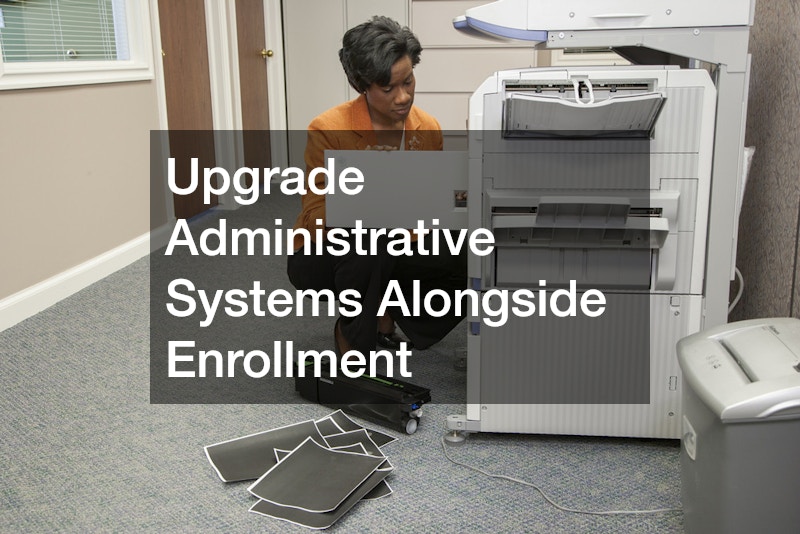
Administrative workloads can increase quickly as a preschool grows. More students can mean more enrollment records, parent communications, forms, classroom materials, invoices, schedules, and other documents.
Copier sales and leasing can provide different approaches to managing document-production needs. Administrators can evaluate whether purchasing or leasing equipment makes more sense based on expected usage, available resources, maintenance requirements, and the length of time the equipment is expected to remain useful.
Before making an equipment decision, consider:
- How many pages the business produces each month.
- Whether multiple employees need simultaneous access.
- Scanning and digital-document requirements.
- Maintenance and service arrangements.
- Available office space.
- Expected enrollment growth.
Technology decisions should support the way staff actually work. A preschool does not necessarily need the most advanced equipment available. It needs systems that can handle its workload without creating unnecessary complexity.
Administrators can also look for opportunities to reduce paper-based processes where practical. Combining digital systems with dependable office equipment can make administrative work more manageable as enrollment increases.
Use Visual Improvements to Reinforce Your Brand
A childcare facility communicates a great deal to families before administrators or teachers have an opportunity to explain the school’s approach. Clean, organized, and thoughtfully designed spaces can create a welcoming first impression while also giving children opportunities to see their work displayed throughout the building.
Custom frame services can be useful when a preschool wants to present artwork, certificates, photographs, or other materials in a polished and consistent way. These displays can add personality to common areas while reinforcing the accomplishments and activities that make the school distinctive.
Administrators can improve visual presentation by:
- Creating designated areas for student artwork.
- Rotating displays throughout the year.
- Using consistent presentation standards in public spaces.
- Displaying relevant certifications or recognition appropriately.
- Choosing durable materials suited to high-traffic areas.
- Keeping displays organized rather than overcrowded.
Visual improvements should support the facility rather than overwhelm it. Administrators can prioritize areas where parents frequently enter, wait, or meet with staff. Thoughtful displays can make these spaces feel more intentional while giving families a glimpse into the children’s daily experiences.
Create a Maintenance Schedule That Scales With Enrollment
More children generally means more daily activity throughout a facility. Floors, carpets, furniture, bathrooms, and shared spaces can experience substantial use, making consistent maintenance increasingly important as enrollment grows.
Working with a local carpet cleaning company can help administrators establish a professional cleaning schedule that reflects the facility’s needs. High-traffic classrooms and common areas may require different attention than spaces that receive less daily use.
A scalable maintenance plan can include:
- Identifying high-traffic areas.
- Establishing routine cleaning schedules.
- Scheduling deeper cleaning during school breaks.
- Tracking recurring maintenance needs.
- Reporting spills or damage promptly.
- Reviewing cleaning requirements after enrollment increases.
The schedule should also account for the childcare calendar. Conducting more intensive work when children are not present can make maintenance easier to coordinate with normal operations.
Administrators should periodically review whether current cleaning schedules still match facility usage. A routine that worked for a smaller enrollment may no longer be adequate after several classrooms are added.
Design Safety Systems Before Expanding Physical Space
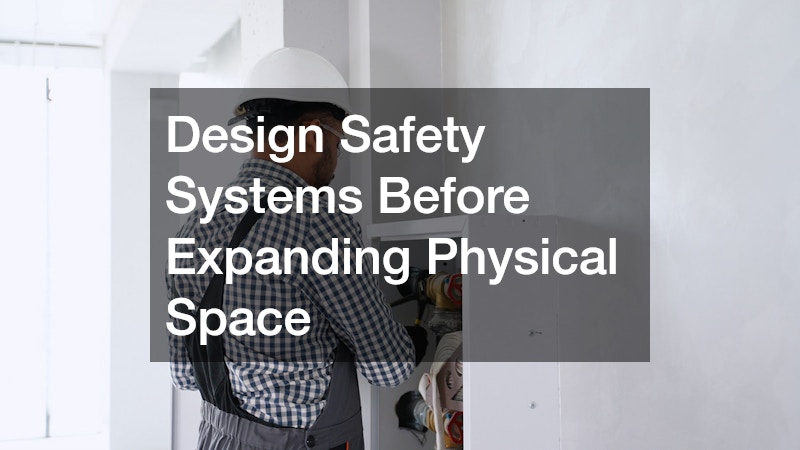
Safety planning should be part of expansion from the earliest stages. Adding classrooms, changing room layouts, or renovating existing areas can affect evacuation routes, occupancy patterns, equipment placement, and other aspects of emergency preparedness.
Automatic fire sprinkler design should be considered as part of broader fire protection planning when constructing or modifying a childcare facility. Qualified professionals can evaluate the building’s layout and applicable requirements while coordinating sprinkler planning with other building systems.
Before finalizing an expansion, administrators can review:
- Emergency exits and evacuation routes.
- Classroom occupancy and room layouts.
- Fire alarm systems.
- Emergency communication procedures.
- Accessibility considerations.
- Staff responsibilities during emergencies.
- Coordination between new construction and existing safety systems.
Safety planning should not stop once construction is finished. Enrollment, staffing, and room usage can change over time, so administrators should periodically review emergency procedures and facility arrangements.
A growing childcare business has an opportunity to incorporate safety considerations before new spaces are occupied. Addressing them during the planning process can make it easier to coordinate different systems and reduce the likelihood of discovering important concerns after an expansion is already complete.
Practical growth requires a childcare business to look at more than enrollment and revenue. Expansion affects the physical facility, administrative workload, daily resources, maintenance routines, family relationships, and safety procedures.
Planning gives owners and administrators more opportunities to identify weaknesses before they interfere with daily care. It also creates room to make thoughtful decisions about facilities, technology, maintenance, and support systems instead of reacting to problems after they appear.
A strong growth strategy should ultimately support the children, families, and employees who rely on the business every day. By reviewing current operations, anticipating future demands, and making improvements at the right time, preschool and childcare owners can build a more organized foundation for continued expansion while maintaining the quality and consistency families expect.